Wednesday, 9 October 2013

World Soccer is a magazine about football. The main image is Lionel Messi who is undoubtedly one of the most well known footballers in the world so people who are familiar with football will who he is immediately and this will draw their attention towards the magazine. The 'World Soccer' logo is in red which indicates passion, which is closely related to the game. Although this magazine cover does not stick to the rule of thirds. Font colours vary on this cover, one being gold. The gold represents coming first or winning, so they are trying to emphasise you are being rewarded by this magazine. On this cover there are three cover lines, it is strangely set out as instead of the main image being in the centre with cover lines around it; the cover lines are on the left and the main image is on the right.


Four Four Two is a popular magazine with a main audience of football fans. The main image of this magazine is, likewise with World Soccer, Lionel Messi. He is a very familiar face on the football scene so people will know what type of magazine it is without hesitation. The name on the magazine (Four Four Two) is covered by part of Messi's head but the magazine itself is very popular so they can afford to do that. It is very professionally done and this makes the magazine worth your money. Most of the font colours on the cover are white, the yellow font is used on the word 'Messi'. This will attract people because the name stands out and people will want to read about him. On the right hand side there is a small picture of Falcao who is also a world class player with a quote underneath him that say's "I could adapt to England. I could score goals". English fans of football would love to see Falcao in England as it adds more entertainment to the beautiful game, this will get people talking about this rumour and when the person they've told ask them where they heard it, they will say Four Four Two so they are also word of mouth advertising. This cover unlike World Soccer sticks to the rule of thirds, it is split evenly going vertical. The main cover lines are on the left, the main picture is in the middle and the barcode and other cover line is on the right.


Here is another example of a Four Four Two magazine. This time it has Neymar and Wayne Rooney on the front cover. Rule of thirds is applied here as the main cover lines are on the left, Neymar is in the middle and Rooney is on the right. This magazine is published in England so by putting an English player on the front cover, people from all over the country will recognize and relate to the team/cover. The font colours used are black, green and yellow. The green and yellow are used on this cover because they are the national colours of Brazil, this gives a theme for the cover. This issue was made before the international friendly, so it was relevant to its time. The words Rooney and Neymar are bigger than most the words and this was done to attract the shoppers attention as they would be interested in these two world-class players. I would say that the main target audience is aimed at the working class because this is the dominate class who attend football matches.


Friday, 27 September 2013


Visual Codes

From this trailer you can tell it is set in the 80's as the clothes, hairstyles props and other things are from that time period. Although from many scenes it would look like it is set in ancient China from all the temples. The camera quality being fairly poor suggests it is not a modern film. The setting is in China town and we gather this from things like lanterns and Chinese styled buildings.

Technical Codes

There is a variety of camera shots in this trailer, one being close ups. This shows Jack's (main character) facial expressions so we can see if he is feeling nervous, confident, unsure etc. Camera movement is shown quite frequently. It follows people when they are running and when people are entering the room. The majority of scenes are low level lighting to add tension and to avoid the atmosphere being to happy.

Audio Codes

Diegetic sounds can be heard such as the lorry driving along, gunshots, brick walls collapsing, fighting, rain and explosions. Non-diegetic sounds that can be heard are symbols crashing, music and drums. Features of a voiceover are also put in play with a man telling us the plot.


Visual Codes

From this trailer you can tell it is set in modern times. We get to this conclusion as the fashion is modern along with other things like slang and even the cars. It tells us that it is set in Miami from a voiceover. The colours used are very vibrant and it is a very colourful film with a wide array of colours on all the different types of cars. It gives a positive atmosphere amongst the racers and spectators there making the audience watching feel comfortable.

Technical Codes

In one scene of this trailer they use a high angle shot to show the large scale of cars coming out of a garage and show that the police are outnumbered.  The film has a lot of racing scenes so the camera follows the cars a lot. Most of the scenes are high level lighting to show off the setting and get a feel for the background.

Audio Codes

In this trailer there is a mixture of diegetic sounds and non-diegetic sounds. The diegetic sounds that can be heard are car engines, braking, waterfalls, walking and helicopters. Non diegetic sounds that can be heard are music, voiceovers, cowbells and guns reloading. The diegetic sounds make you feel like you are at the races in this film and get the audience involved. The non diegetic sounds build up tension, like fast music goes with fast cars and a slow tempo on the music is for non-action scenes.

Friday, 20 September 2013

Audience


Coronation Street is a TV show which falls under the soap opera category. It is aired at 7.30 on Mondays, Wednesdays and Fridays so the intended audience is around 14 and onwards. Coronation Street features all kind of characters from Children to Pensioners so people at home watching can relate to a certain character. The viewers can identify themselves as part of an audience.
In this particular clip from this episode, Dev confronts Karl about the murder of his wife and the mother of his children. Uses and Gratifications in scenes such as this make the entertainment in the show, its gives people an escape from reality because they are so gripped on the show. This storyline has been building up for weeks because no one knew Karl was the murderer except himself and the audience so dramatic irony is presented here.
This storyline also blends with social integration because people watch this when then get in from work and then when they go back to work the next day they will be talking about it, things like how will everybody find out about Karl, when will it be revealed and what will Karl do when his secret gets out.
Before this scene you keep seeing camera shots of Dev, this is mediated because Dev has figured out that the murderer is Karl and everybody at home is waiting for him to approach Karl to see how he will react.


Danny Dyer's Real Football Factories is a documentary about real life football hooligan gangs. In this episode he investigates gangs of the midlands but in this part of the show, Birmingham City's notorious football gang the "Zulus". The audience for this would mainly be adults, it also appeals to people who may be affiliated with the gangs, who want to learn about the gangs or entertainment. This links in with a personal identification as some people may have grown up around these people going to football games and bring back memories.
This show shares information like when the gangs were first formed, the background, incidents they've been involved in and why they are a part of it. People who are not familiar with this criminal lifestyle can learn a lot from this documentary. Along with information, this show also features entertainment. It tells stories of violence which people crave to be entertained nowadays. People are used to seeing violent content so they will enjoy the stories and clips of battles in the streets.
There is sense of social integration in this TV show. Football hooliganism was at its peak in the 1980's so many adult's teenage life would be reminisced in this, so people would talk about it to one another, reminding each other of events that happened in the past. In this case it might be the Leeds riot in 1985.
Mediation in this features clips of gangs fighting other gangs to show the audience the terror and fear they give off. By showing intimidating pictures it makes the audience hooked and entertained because they like to see violence.


Sunday, 15 September 2013

Representations

Film
Project X
Age
Project X is a film about a group of teenagers who decide to throw a party at one of the friend's house while his parents are away. The film is shown through the lens of a teenager documenting the party. Teenagers attending the party have a good night being rebellious so teenagers who watch the film will find this to be a magical fantasy. The party is called off when the night gets out of hand due to neighbour's property getting vandalised, cars getting burned and riot police getting attacked. So overall the representation of teenagers in this film are negative, they come across as if they like to get drunk and cause anti-social behaviour. The values of the media producer is to show a negative perception by making scenes of havoc performed by teenagers and through their lack of respect for the authority and residents.


 TV
The Big Bang Theory
Gender
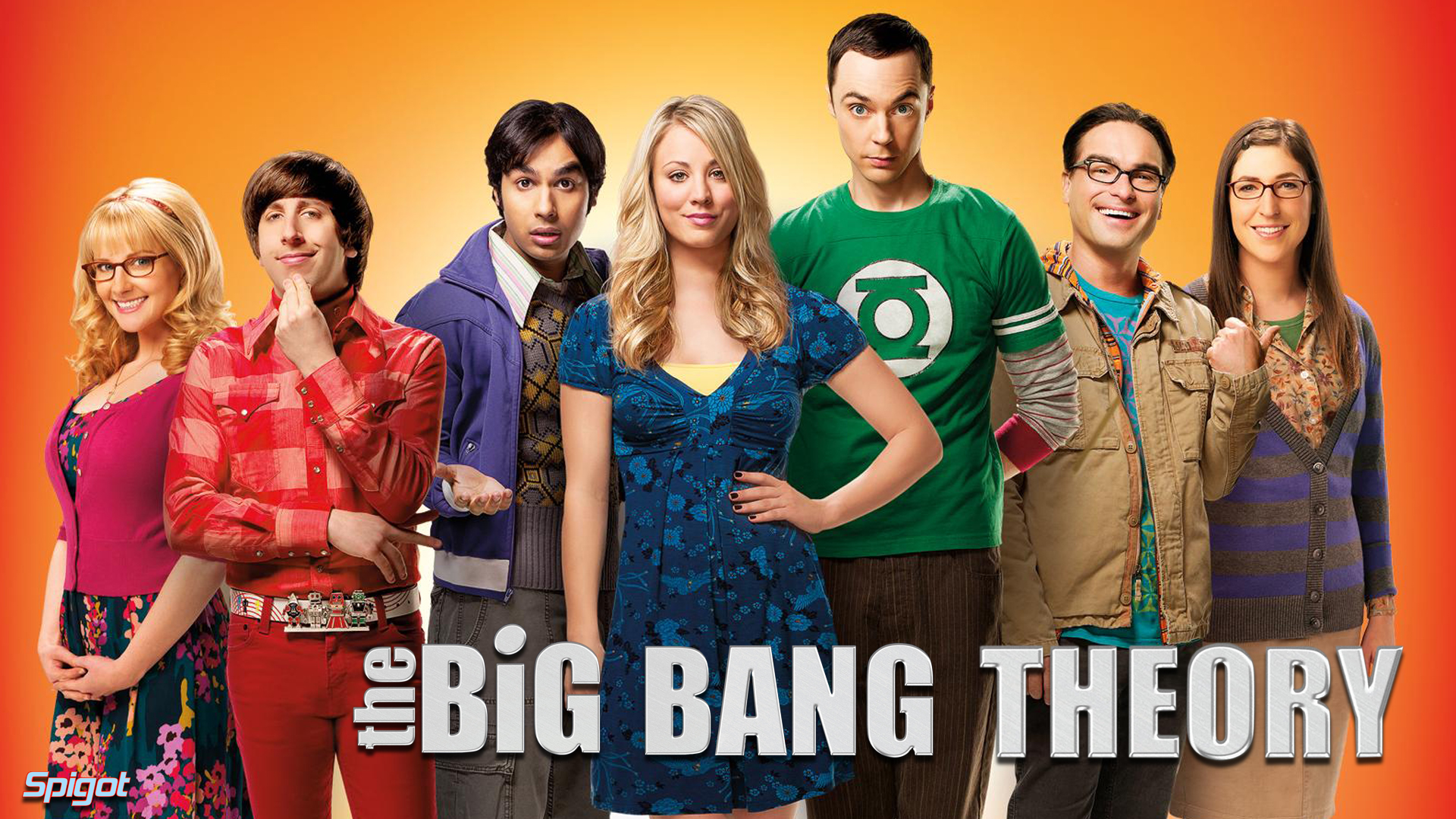
The Big Bang Theory is about four very intelligent men who live in a flat together. While living in the flat they are introduced to neighbour Penny. Penny follows the stereotypical role of the hot blonde that moved to LA to pursue a career in acting. The media producer was trying put a negative representation of women in this character because he is trying to show that she only care about looks and not intelligence or anything else. To put across this he makes Penny a very slow person which contrasts with the men's high intelligence. 


Film
American Pie

Sexuality
American Pie is based around five teenage heterosexual boys who embark on losing their virginity by the end of the night of prom. Throughout the film negative representations of men and women are made as in American Pie women are viewed as objects and that men are only using them for their own sexual desires. Toward the end some of the group realise that they do care about the women and not just sex. This is a positive idea, however I think the general view throughout the film is a negative representation.


TV
Everybody Hates Chris
Race
Everybody Hates Chris is an American TV show based in the 1980's that follows the life of troubled teenager Chris Rock growing up in Brooklyn. Chris is bullied due to his racially-prejudiced classmates which mean he is disadvantaged in his social life. This gives a negative representation of white people at the time of which the show was set. Although, Chris's nerdy white best friend doesn't see the difference in skin colour as a barrier which shows that not all white we arrogant at the time. Everybody Hates Chris is very funny however it has many stereotypical views throughout the show.


 Newspaper
The time when football fans were hated
Class
In the newspaper article "The time when football fans were hated" by the BBC it talks about the rise of football hooliganism in the 1980's. The articles reasoning for terrace violence suggests that it was working class men. "Put a lot of young working class men into cramped surroundings, add tribalism, and you will get problems". This gives off a negative representation of working class men. The media producer's values are that all working class men are the same and does fall in to a very stereotypical representation. Here is a link to the article.